

Diagnosis, Surgical Treatment, and Post-Treatment Care
Cancer treatment outcomes depend on early diagnosis, precise surgical intervention, and coordinated multidisciplinary care. Lung cancer, pancreatic cancer, and colon cancer are among the most complex oncological conditions, requiring advanced diagnostics, experienced surgical teams, and structured long-term follow-up.
This article outlines how these cancers are diagnosed, how surgical treatment is planned, and what patients can expect during recovery and post-treatment care.
Lung Cancer

Diagnosis
Lung cancer may not cause noticeable symptoms in its early stages. Diagnosis is typically established through imaging and tissue sampling. A complete evaluation often includes:
- Chest computed tomography (CT)
- Positron emission tomography (PET-CT) for staging
- Bronchoscopy with biopsy (or image-guided biopsy when appropriate)
- Pulmonary function tests to assess surgical fitness
Accurate staging is essential to determine whether surgery is appropriate and to define the role of chemotherapy and radiotherapy. Treatment planning is individualized based on tumor characteristics and the patient’s overall health status.
Surgical Treatment
The primary objective of lung cancer surgery is complete tumor removal while preserving as much healthy lung tissue as possible. Depending on tumor size, location, and stage, options may include:
- Lobectomy (removal of one lung lobe)
- Segmentectomy (removal of a smaller anatomical segment in selected cases)
- Minimally invasive approaches such as VATS or robotic-assisted surgery, when appropriate
When a minimally invasive approach is suitable, it may reduce surgical trauma and support earlier mobilization, while maintaining oncologic safety. The final approach is decided after careful evaluation of staging, anatomy, and patient-specific risk factors.
Post-Surgical Care
After lung cancer surgery, recovery focuses on respiratory function and physical conditioning. Post-operative care commonly includes:
- Early mobilization and breathing exercises
- Pulmonary rehabilitation to support lung capacity and endurance
- Pain control, infection prevention, and clot prevention protocols
Pathology results guide next steps. Some patients may require additional chemotherapy or radiotherapy depending on stage and tumor biology. Follow-up schedules are planned to monitor recovery and detect recurrence early.
Pancreatic Cancer
Diagnosis
Pancreatic cancer is often diagnosed at a more advanced stage because early symptoms can be subtle. Diagnostic evaluation typically includes:
- Contrast-enhanced CT (pancreas protocol) and/or MRI
- Endoscopic ultrasound (EUS) with biopsy when tissue confirmation is required
- Tumor markers such as CA 19-9 (supportive information, not a stand-alone test)
High-quality imaging and accurate staging help determine whether surgical removal is feasible and whether chemotherapy should be given before or after surgery.
Surgical Treatment
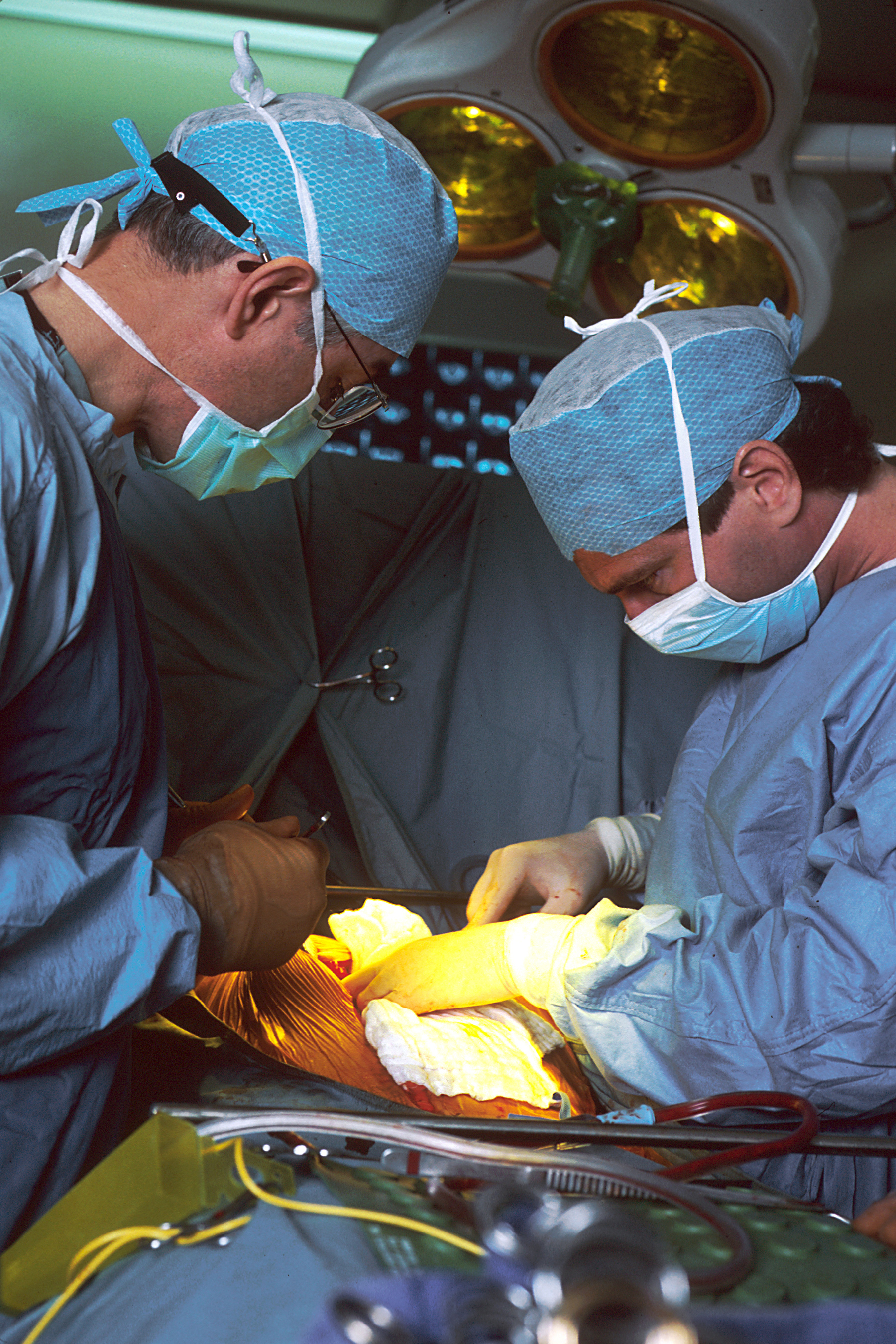
Pancreatic surgery is complex and should be performed in specialized centers with experienced hepatopancreatobiliary teams and advanced intensive care support. Common procedures include:
- Whipple procedure (pancreaticoduodenectomy) for tumors in the head of the pancreas
- Distal pancreatectomy for tumors in the body or tail of the pancreas
Depending on stage and tumor biology, surgery is often integrated into a broader plan that may include systemic therapies. The aim is to maximize oncologic control while preserving function and supporting safe recovery.
Post-Surgical Care
Post-operative management is closely monitored and may include:
- Observation in a high-dependency or intensive care setting when clinically indicated
- Gradual nutritional planning and digestive support
- Monitoring for metabolic changes and pancreatic function
Adjuvant chemotherapy is frequently considered based on pathological staging. Long-term follow-up focuses on recovery, nutrition, and surveillance tailored to each patient.
Colon Cancer

Diagnosis
Colon cancer is one of the most preventable cancers when detected early. Diagnosis and staging usually involve:
- Colonoscopy with biopsy for definitive diagnosis
- Abdominal imaging (CT and other studies as needed) for staging
- Tumor marker evaluation such as CEA (baseline and follow-up)
Early detection significantly improves treatment outcomes. Screening is particularly important for patients with relevant risk factors or family history.
Surgical Treatment
For most localized colon cancers, surgery is the primary treatment. Procedures typically include:
- Segmental colon resection (removal of the affected portion of the colon)
- Laparoscopic or robotic-assisted techniques when appropriate
- Lymph node dissection for accurate staging and local control
The objective is complete tumor removal while preserving bowel continuity and function whenever safely possible.
Post-Surgical Care
Enhanced recovery pathways support faster rehabilitation. Post-operative care commonly includes:
- Early mobilization and a structured return to oral nutrition
- Shortened hospital stay when clinically appropriate
- Adjuvant chemotherapy based on pathological stage and risk features
- Long-term surveillance with colonoscopy and imaging as indicated
Multidisciplinary Cancer Care
Effective treatment of lung, pancreatic, and colon cancer depends on coordinated teamwork. Patients are commonly evaluated by a multidisciplinary team that may include:
- Surgical specialists (thoracic, hepatopancreatobiliary, colorectal)
- Medical oncology
- Radiation oncology
- Radiology and pathology
This approach supports individualized planning, evidence-based decisions, and continuity of care throughout the treatment pathway.
Life After Cancer Surgery
Care continues well beyond surgery. Long-term follow-up typically focuses on:
- Monitoring for recurrence and treatment response
- Supporting physical recovery and return to daily activities
- Nutritional guidance and lifestyle optimization
- Psychological well-being and patient education
A structured follow-up plan helps patients regain confidence, reduce uncertainty, and maintain quality of life.
Conclusion
Lung, pancreatic, and colon cancers require expert diagnosis, advanced surgical techniques, and coordinated post-treatment care. When managed in specialized centers with multidisciplinary planning, patients may achieve meaningful improvements in survival and daily functioning.
Cancer treatment should be viewed not as a single procedure, but as a carefully guided medical journey built around the individual patient.


